
Endocrine Diseases

24 08, 2023

Testosterone replacement therapy for older men might be safer than we thought

2023-08-24T19:52:08+10:00August 24th, 2023|Categories: Drugs & Therapies, Endocrine Diseases, Hormone biology, Medications and therapies, Men’s health, Research Updates|Tags: , , , , |

For years, people taking testosterone replacement therapy were advised that it could be bad for their hearts and lead to troubled tickers down the road. However, a new study has found that older men [...]

23 05, 2023

Fatigue, weight gain – is it my thyroid?

2026-02-20T13:34:12+10:00May 23rd, 2023|Categories: Endocrine Diseases, Lifestyle, Obesity, Stress, Thyroid gland|Tags: , , , |

At this point in history, who could say no to an extra few hours of sleep or a nice afternoon nap? However, if you’ve been feeling run down for months, tired without reason, exhausted [...]

17 04, 2023

2022 Endocrine Society of Australia Award Winners

2024-01-12T13:11:31+10:00April 17th, 2023|Categories: Community, Drugs & Therapies, Endocrine Diseases, Hormone biology, Medications and therapies, Men’s health, Research Updates, Trans health, Women’s health|

Gail Risbridger Junior Scientist Award Winner Ben Lawrence When he’s not cheering on the Newcastle Jets or hanging out with his black labrador Mabel, Ben Lawrence is in the lab and kicking goals with [...]

20 03, 2023

AVP-deficiency (AVP-D) – a new name for Diabetes Insipidus

2023-04-15T15:06:17+10:00March 20th, 2023|Categories: Diabetes, Endocrine Diseases, Hormone biology, Pituitary gland, Research Updates|

In a world without microscopes, diseases were known by their observable symptoms. Unbeknownst to the Ancient Greek physicians who coined the term, the name ‘diabetes’ (meaning ‘a siphon passing water’) lumped together several conditions [...]

4 11, 2022

Endocrine Disrupting Chemicals: Should we be avoiding plastic?

2022-11-04T08:03:52+10:00November 4th, 2022|Categories: Community, Endocrine Diseases, Lifestyle|

What are endocrine disrupting chemicals? Chemicals are substances that is made up of matter or particles. They can be solid, liquid or gas, found naturally or be human made. Most things in our everyday [...]

11 03, 2021

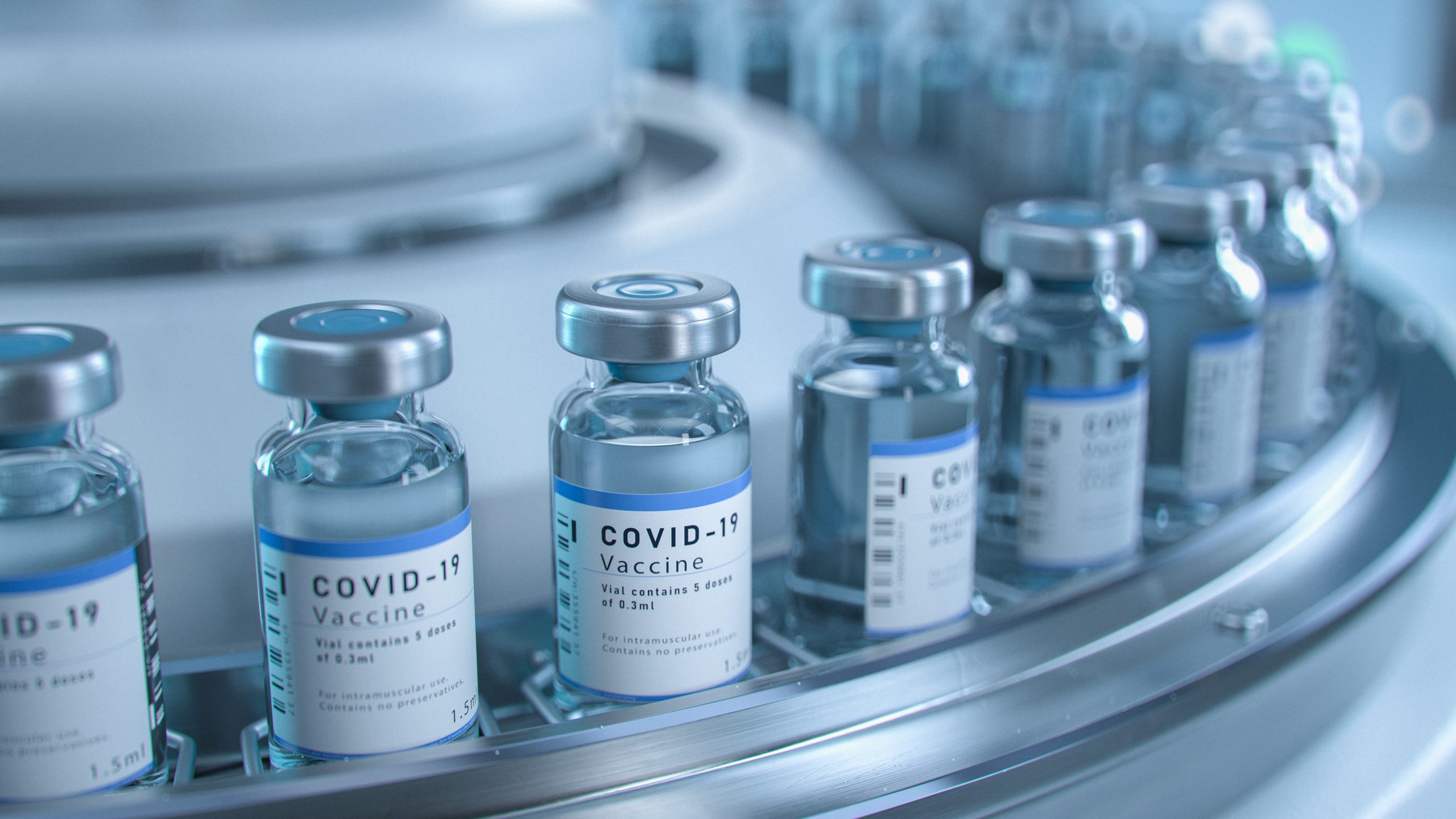
I have a medical condition. When do I get a COVID-19 vaccine?

2021-05-10T11:41:06+10:00March 11th, 2021|Categories: Community, Diabetes, Drugs & Therapies, Endocrine Diseases, Medications and therapies|

The rollout of COVID-19 vaccinations has officially started in Australia. The Australian government has developed a plan to have as many Australians as possible vaccinated by the end of 2021. The rollout plan outlines four [...]

29 10, 2020

6 Self-care Tips for Endometriosis

2020-10-29T10:41:40+10:00October 29th, 2020|Categories: Endocrine Diseases, Lifestyle, Medications and therapies, Reproductive health, Uncategorized, Women’s health|

For the 1 in 10 Australian women with endometriosis [1], the experience of pain is pretty common.  While medication can be used to reduce pain, it often doesn't provide enough pain relief, or it has [...]

30 09, 2020

Prostate cancer research seeks to identify aggressive cancers early

2020-10-29T10:08:19+10:00September 30th, 2020|Categories: Drugs & Therapies, Endocrine Diseases, Men’s health, Research Updates|

Each year in Australia, doctors will tell around 16,700 men that they have prostate cancer. This is equal to one diagnosis every 25 minutes. For some men, this will lead to regular visits to the [...]

18 08, 2020

Research shedding light on rare ovarian cancers

2020-08-18T15:31:06+10:00August 18th, 2020|Categories: Community, Endocrine Diseases, Research Updates, Women’s health|

Dr Simon Chu from Hudson Institute has been researching cancer cells for some time. What started as a PhD focused on tumour cell biology, has evolved into a large research program dedicated to increasing knowledge, [...]

23 04, 2020

COVID-19 Advice for people with diabetes

2020-09-19T14:36:57+10:00April 23rd, 2020|Categories: Diabetes, Endocrine Diseases, Medications and therapies|

People with diabetes have been recognised as a “high-risk” group during the COVID-19 pandemic. This risk is not related to an increased chance of becoming infected with COVID-19 compared to those without diabetes. Rather, it [...]

Go to Top